




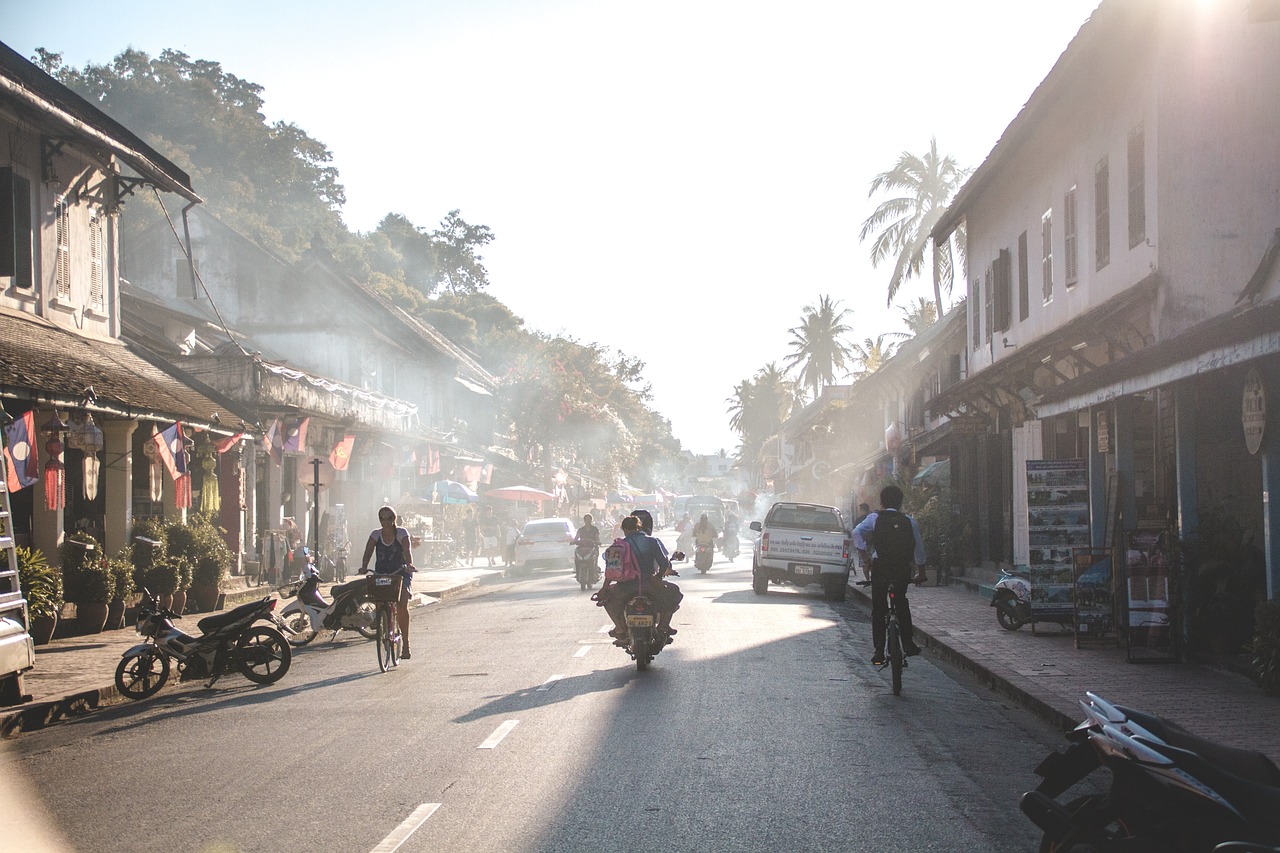
As global temperatures rise, urban areas are turning into heat islands. This post explores how recurring heatwaves are affecting low-income communities—causing health risks, power shortages, and disrupting daily activities. The story highlights the silent struggles of city dwellers who must adapt without access to cooling systems or green spaces.
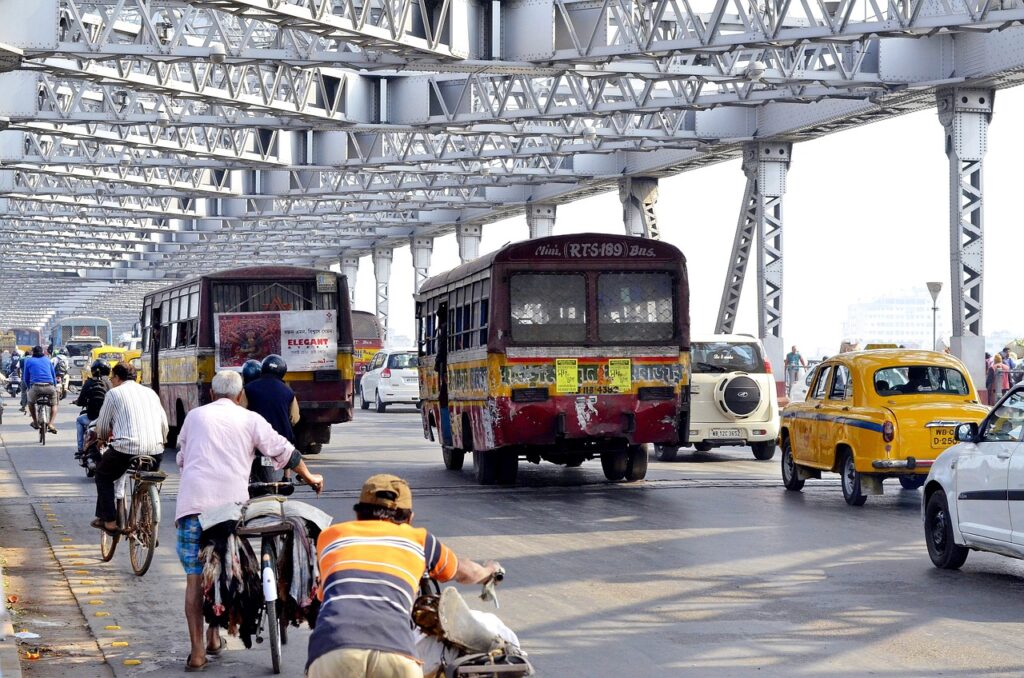
As heatwaves become more frequent and intense, city life is quietly transforming. For many urban residents, especially those in low-income or overcrowded neighborhoods, extreme heat is more than just discomfort—it’s a daily threat. Power grids strain under increased demand, water shortages become routine, and public transport turns unbearable. Elderly residents struggle to stay safe indoors, while outdoor workers face dangerous conditions with little protection. This piece explores how urban communities are adapting—or failing to adapt—to these silent crises. We hear from families who sleep on rooftops for air, street vendors who risk illness to earn a day’s wage, and activists fighting for green spaces and cooling centers. It’s a portrait of resilience, inequality, and the pressing need for climate-conscious urban planning.