





Behind every factory explosion or chemical leak is a story of workers left unprotected. This editorial investigates a recent industrial accident and examines how weak safety regulations and corporate negligence can destroy entire communities—turning laborers into victims overnight.
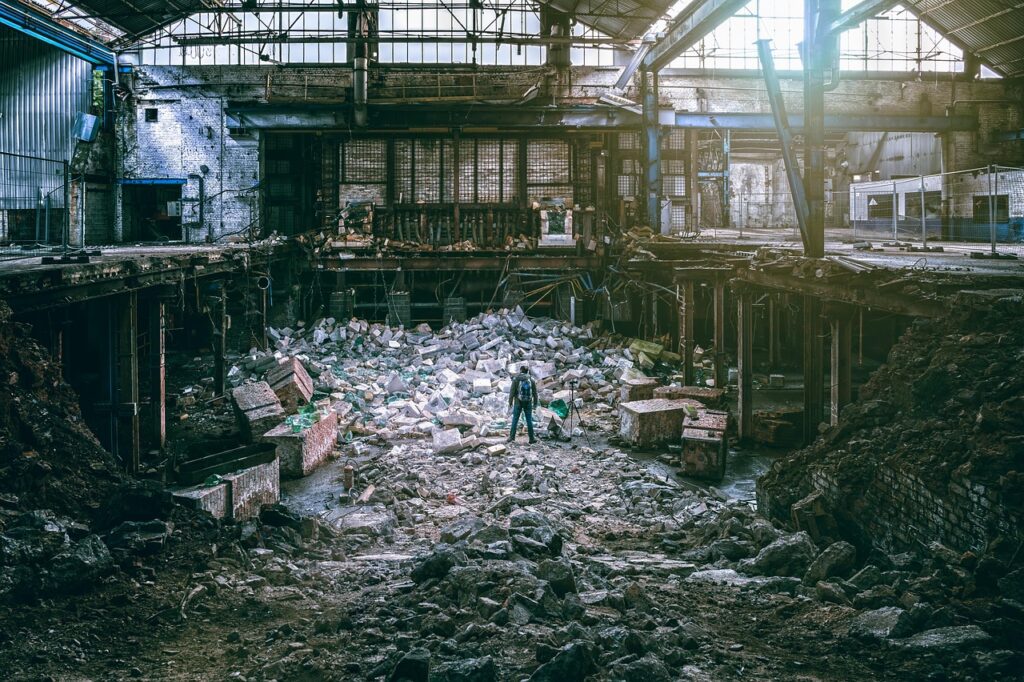
Recovery from an earthquake doesn’t just mean clearing rubble or rebuilding roads. It’s about the people who must wake up each morning facing lost homes, broken families, and uncertain futures. In remote towns and inner-city neighborhoods alike, the path to recovery is personal and uneven. This story takes you into the heart of post-disaster zones—where aid often arrives late, where communities self-organize when systems fail, and where survivors don’t just rebuild structures, but also lives, memories, and hope. Through voices often unheard, we witness the quiet resilience that follows the quake, long after the media cameras have moved on.
Long after the headlines fade, the real story begins. This piece explores what life truly looks like for communities rebuilding after a devastating earthquake. From makeshift shelters to community kitchens, from trauma recovery to school reopenings—this is a ground-level view of resilience. Through the voices of survivors, aid workers, and local leaders, we uncover the challenges, the small victories, and the long road to healing that rarely make the news. This isn’t just a story about destruction—it’s about humanity’s remarkable ability to recover.
Long after media coverage fades, survivors of natural disasters continue to rebuild. This post revisits a region affected by a recent earthquake, following the journey of several families as they attempt to reconstruct their lives—without adequate aid or infrastructure. It sheds light on the long-term social costs of catastrophes.